
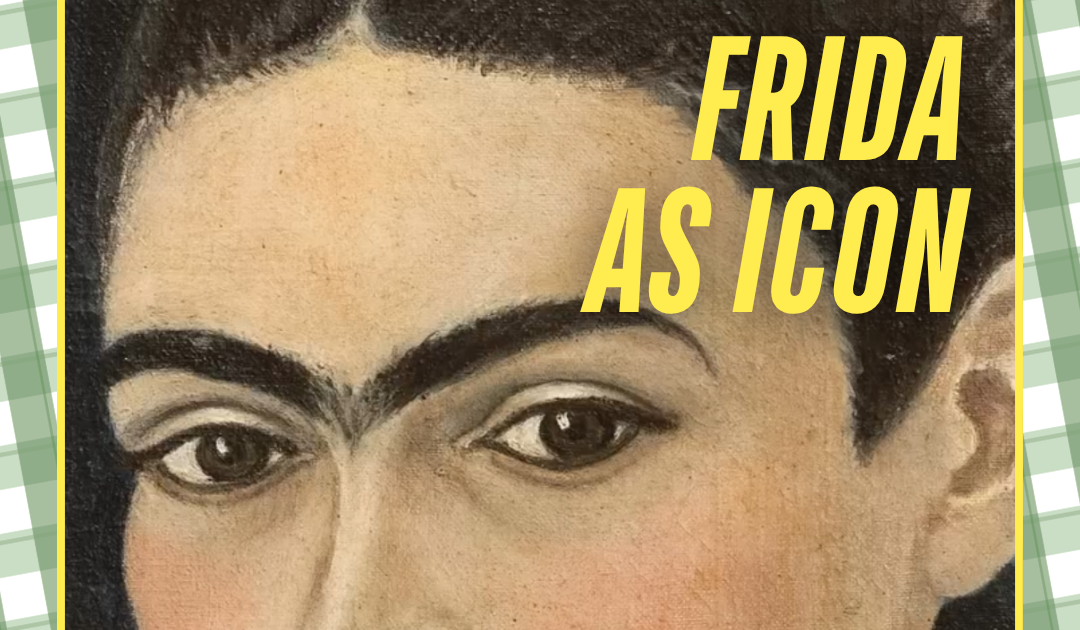
How Frida Kahlo’s Image Became One of the Most Recognizable Cultural Symbols in Modern History
Tate Modern has opened Frida: The Making of an Icon, a major exhibition that examines the transformation of Frida Kahlo from an influential twentieth-century painter into a worldwide cultural phenomenon. Bringing together rare artworks, personal objects, and archival materials, the exhibition offers a detailed look at how Kahlo’s image evolved beyond the boundaries of art history to become one of the most recognizable symbols of modern culture.
The Frida Kahlo exhibition at Tate Modern presents more than thirty paintings and iconic self-portraits alongside jewellery, photographs, and the distinctive Tehuana dresses closely associated with the artist’s public identity. By placing these materials in dialogue, the exhibition investigates the relationship between artistic production, self-representation, and cultural legacy.
From Painter To Cultural Figure
Although Frida Kahlo is widely celebrated today, her international reputation developed gradually. The exhibition traces her rise from a relatively little-known painter to a figure whose image circulates far beyond museums and galleries. Rather than focusing exclusively on her artistic achievements, the presentation explores the processes through which Kahlo’s identity became inseparable from her work.
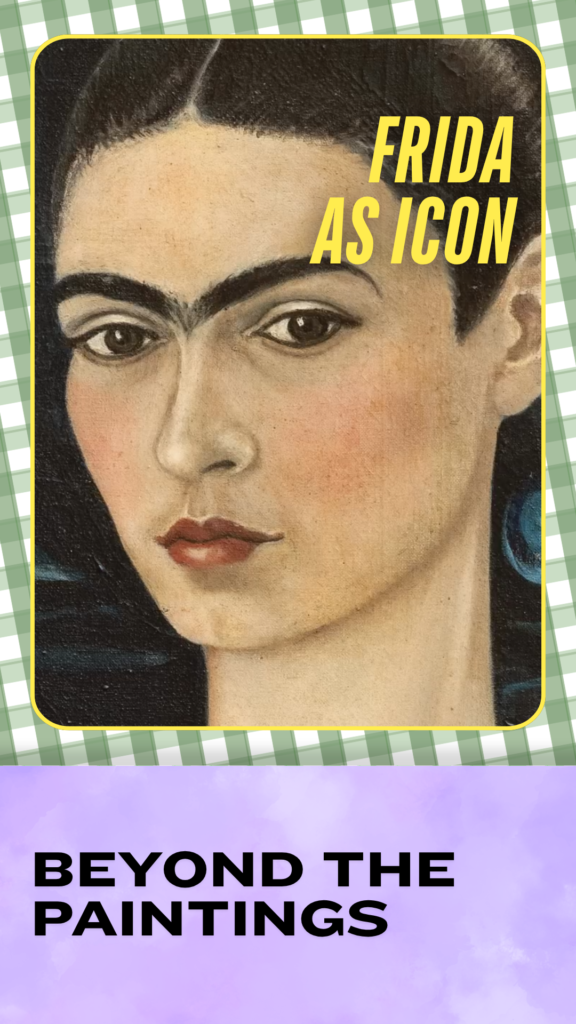
Her self-portraits remain central to this story. Through these paintings, visitors can observe how Kahlo developed a visual language that combined personal narrative, symbolism, and carefully constructed self-image. The exhibition suggests that her artistic practice and public persona evolved together, creating a legacy that continues to resonate across generations.
Objects That Shaped An Identity
One of the exhibition’s defining features is the inclusion of personal belongings that provide insight into Kahlo’s visual identity. Tehuana dresses, treasured jewellery, and private photographs reveal how appearance played an important role in the construction of her public image.
Particular attention is given to the phenomenon often described as “Fridamania,” a term associated with the widespread popularity of her image in contemporary culture. This transformation can also be understood through the process by which Frida Kahlo became a global visual icon, extending her presence far beyond painting into fashion, design, media, and digital culture.
These objects help contextualize the artist’s enduring influence on contemporary visual culture. They demonstrate how fashion, photography, and self-presentation became integral components of a broader narrative that extended beyond the studio and into public consciousness.
From Surrealism To “Fridamania”
The exhibition also examines the changing reception of Kahlo’s work over time. Beginning with her early connections to Surrealist circles, the narrative follows the expansion of her reputation through decades of growing international recognition.
Particular attention is given to the phenomenon often described as “Fridamania,” a term associated with the widespread popularity of her image in contemporary culture. By exploring this evolution, the exhibition raises broader questions about celebrity, artistic legacy, and the ways cultural figures are continually reinterpreted by new audiences.
Why The Exhibition Matters Today
In an era increasingly shaped by image-making and personal branding, Kahlo’s story remains strikingly relevant. The exhibition presents her not only as an artist but also as a figure whose visual identity achieved extraordinary cultural reach. This perspective encourages visitors to consider how artistic influence can extend across disciplines, affecting fashion, media, design, and popular culture.
For travelers visiting London’s cultural institutions, the exhibition offers an opportunity to engage with one of the most influential artistic legacies of the modern era. Through paintings, photographs, clothing, and personal artifacts, Frida: The Making of an Icon provides a nuanced examination of how an artist became a global symbol.
The exhibition is on view at Tate from 25 June 2026 through 3 January 2027. Visitors interested in discovering more international exhibitions and cultural events can also explore our art agenda.