
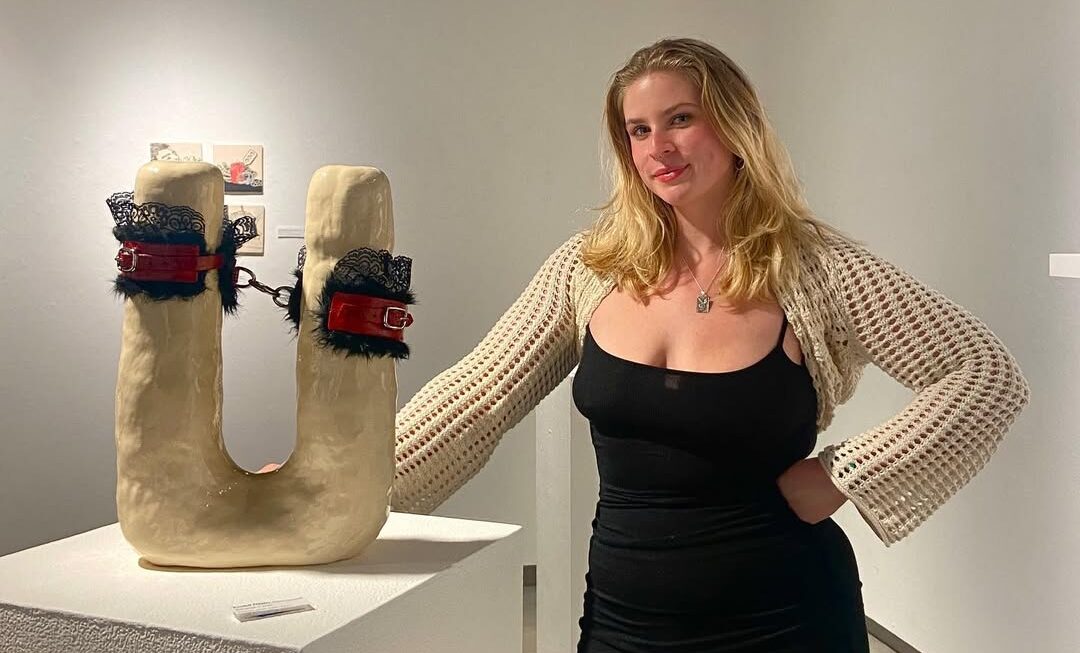
Through discarded fragments and broken forms, Kendall Traylor transforms ceramic waste into a sculptural language that challenges perfection and redefines material value.
The rise of recycled ceramics art reflects a broader shift in contemporary practice—one that questions consumption, embraces imperfection and reimagines waste as narrative. In this context, artist Kendall Traylor has developed a body of work rooted in recovery and transformation, collecting what others discard and turning it into a form of visual dialogue.
Fragments as material language
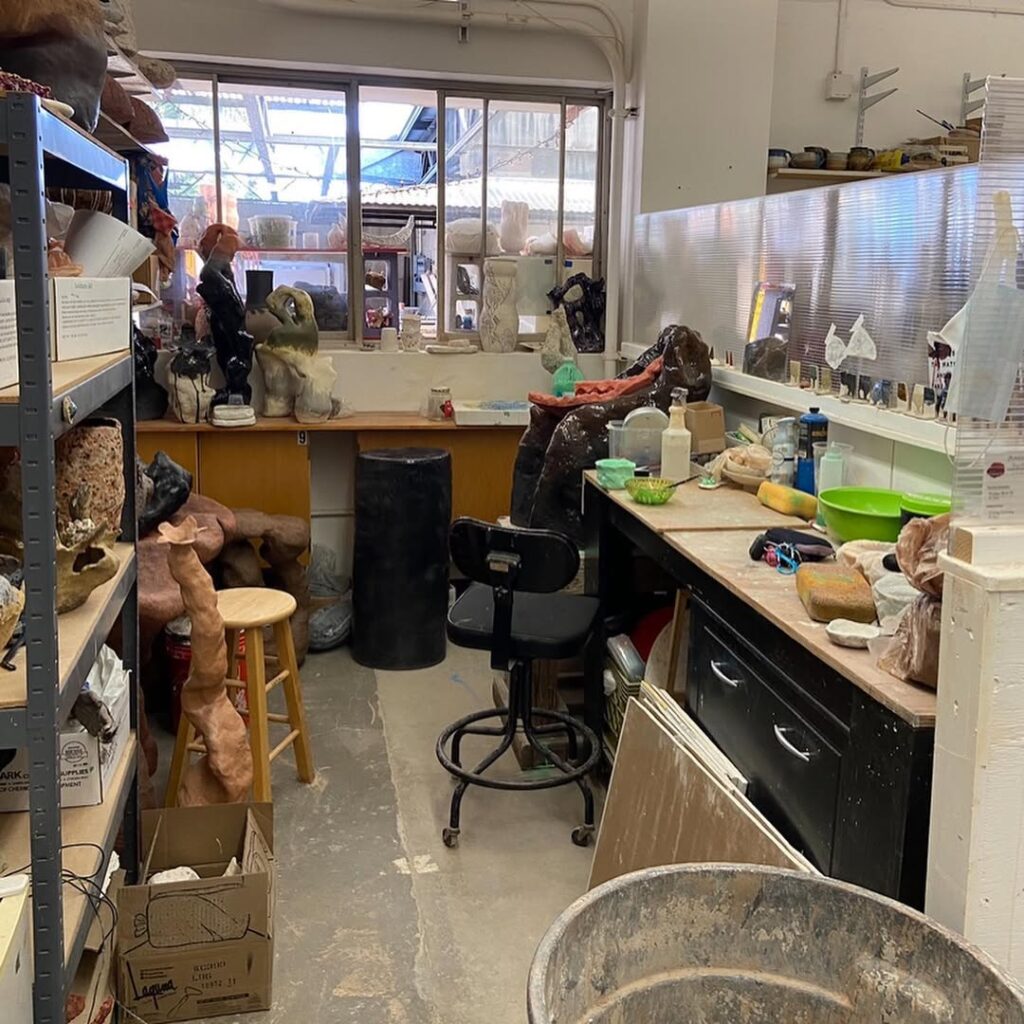
Rather than working with pristine clay, Traylor builds her sculptures from broken bisqueware, cracked shards and failed kiln pieces. These fragments—often overlooked or swept away—become the foundation of her practice. Each element carries a history of rejection, now reassembled into compositions that speak of resilience, accumulation and material memory.
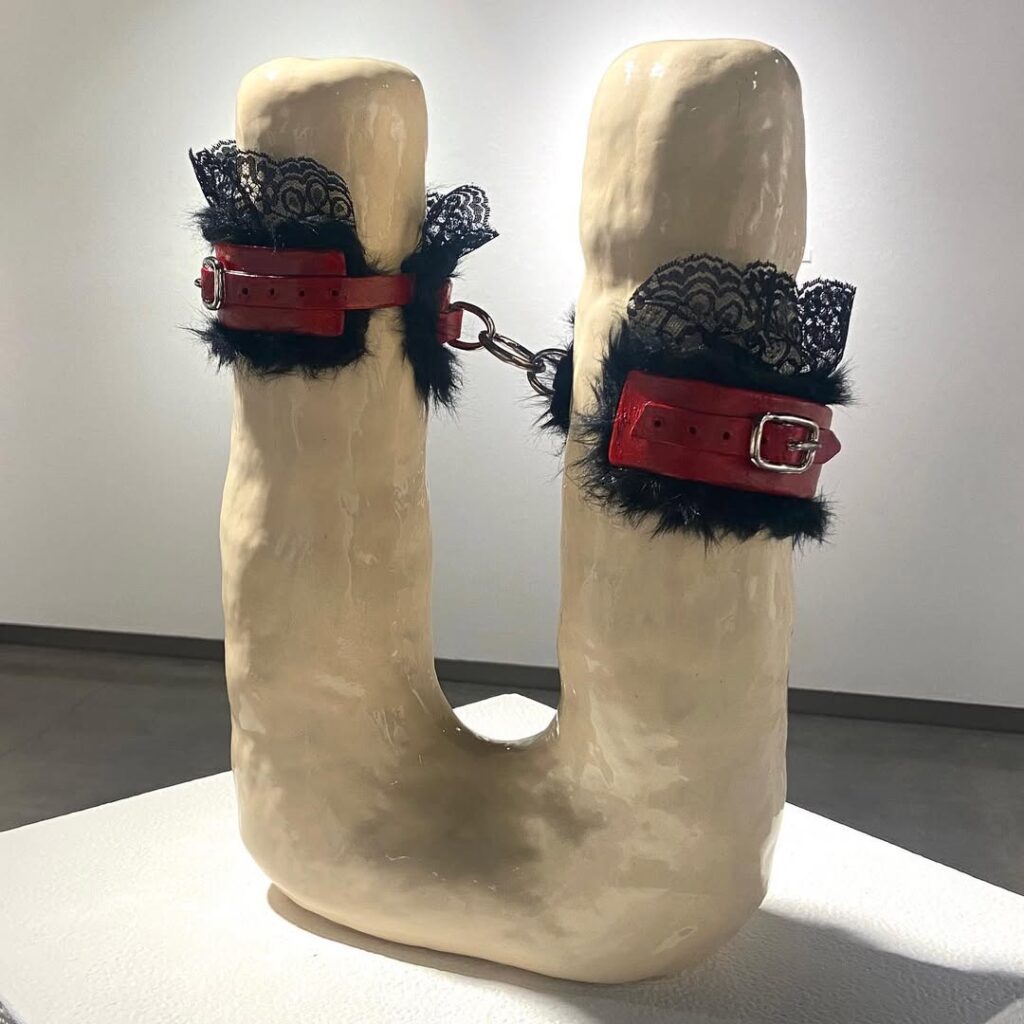
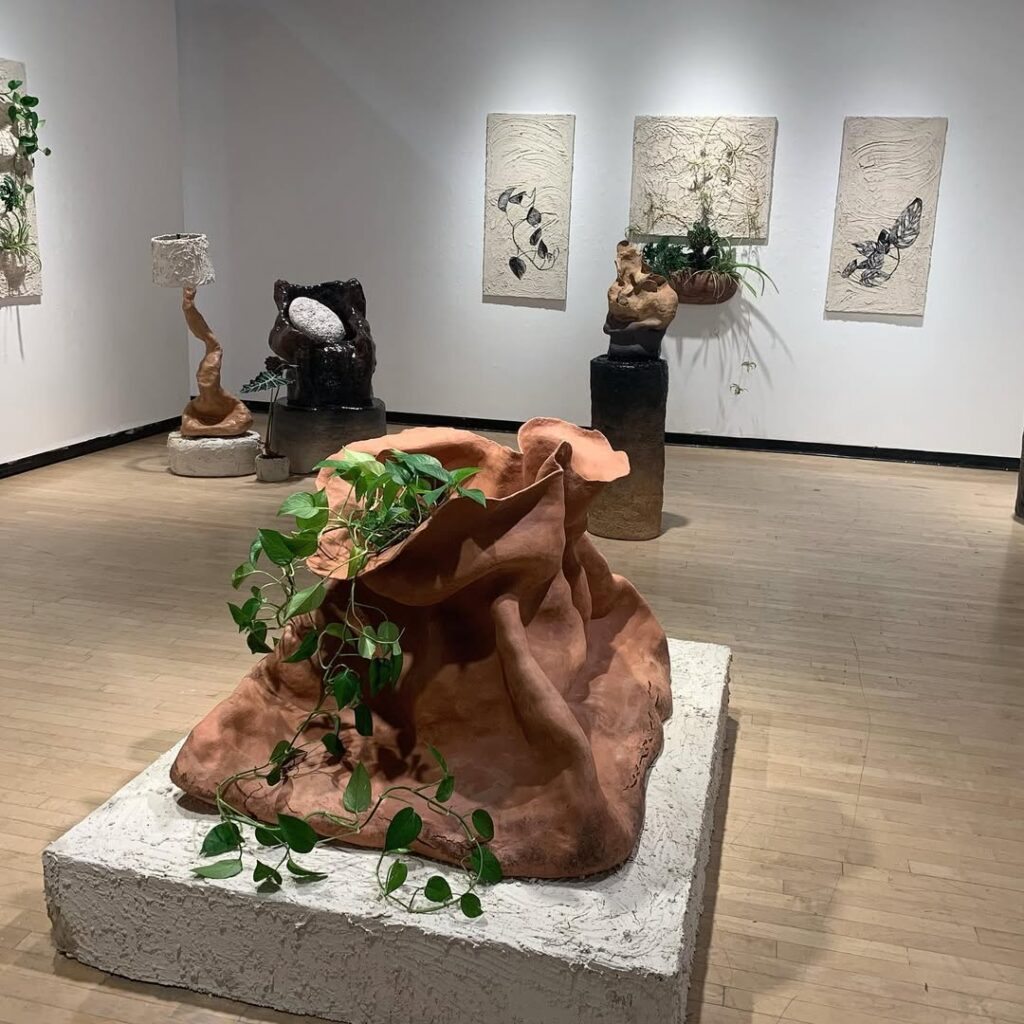
The process is both physical and conceptual: gathering, sorting and reconstructing. What emerges is not a return to wholeness, but a new form of coherence where fracture is visible and essential. In this sense, her work resonates with contemporary approaches to materiality, where the trace of failure becomes part of the final form.
Against perfection in ceramics
Traditional ceramics often revolve around control, precision and the pursuit of flawless results. Traylor’s practice disrupts this paradigm by foregrounding what the discipline typically hides—its excess, its errors, its discarded matter. By reusing more than 2,500 pounds of unfired clay and over 1,000 pounds of ceramic waste, her work exposes the environmental and cultural implications of artistic production.
This gesture transforms the studio itself into a site of critique. The discarded object is no longer waste but evidence—of process, expectation and the systems that define value within craft.
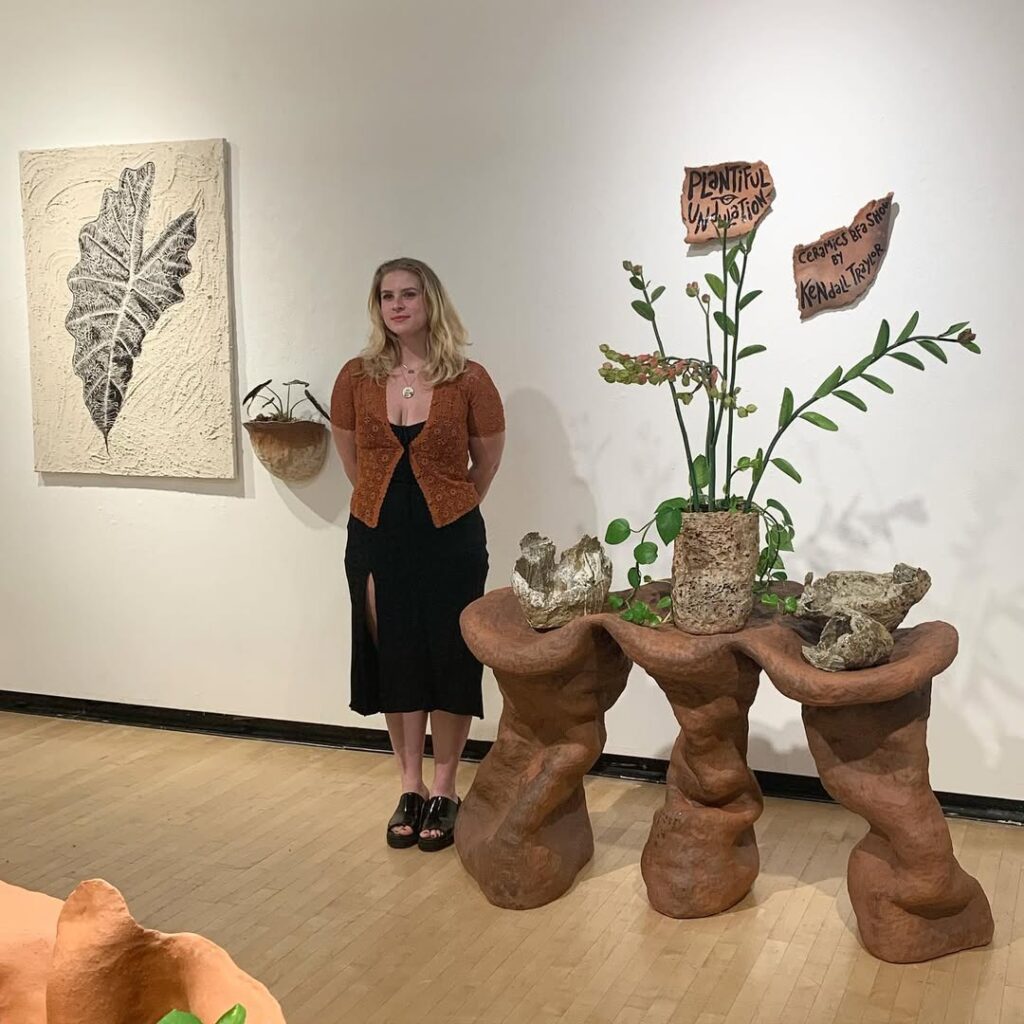
From local studios to global dialogue
Traylor’s exploration of recycled ceramics extends beyond the studio into a broader international context. Her residency in Jingdezhen, China—one of the world’s most historic centers of ceramic production—situated her practice within a lineage of material knowledge while introducing a contemporary perspective on sustainability.
By engaging with global traditions of ceramics through the lens of waste and reuse, her work opens a dialogue between past and present, craft and critique. The result is a practice that is both geographically grounded and conceptually expansive.
Teaching, community and expanded practice
Alongside her studio work, Traylor’s role as an educator reinforces the social dimension of her practice. Teaching ceramics in diverse contexts, including programs for neurodivergent individuals, she highlights the sensory and therapeutic potential of working with clay. The material becomes not only a medium for expression but a tool for connection—between body, environment and community.
Reframing waste for art travelers
For art travelers, Traylor’s work offers a different way of navigating contemporary art landscapes—one that moves beyond spectacle and toward process. Her sculptures invite viewers to reconsider what is often left behind, to see value in fragments and to understand sustainability as an aesthetic position.
In a global context where material excess defines much of visual culture, recycled ceramics art becomes a quiet yet powerful response. It suggests that meaning can emerge not from creation alone, but from the act of reclaiming.
For more perspectives on contemporary artists reshaping material practices and global art scenes, explore our News section.